

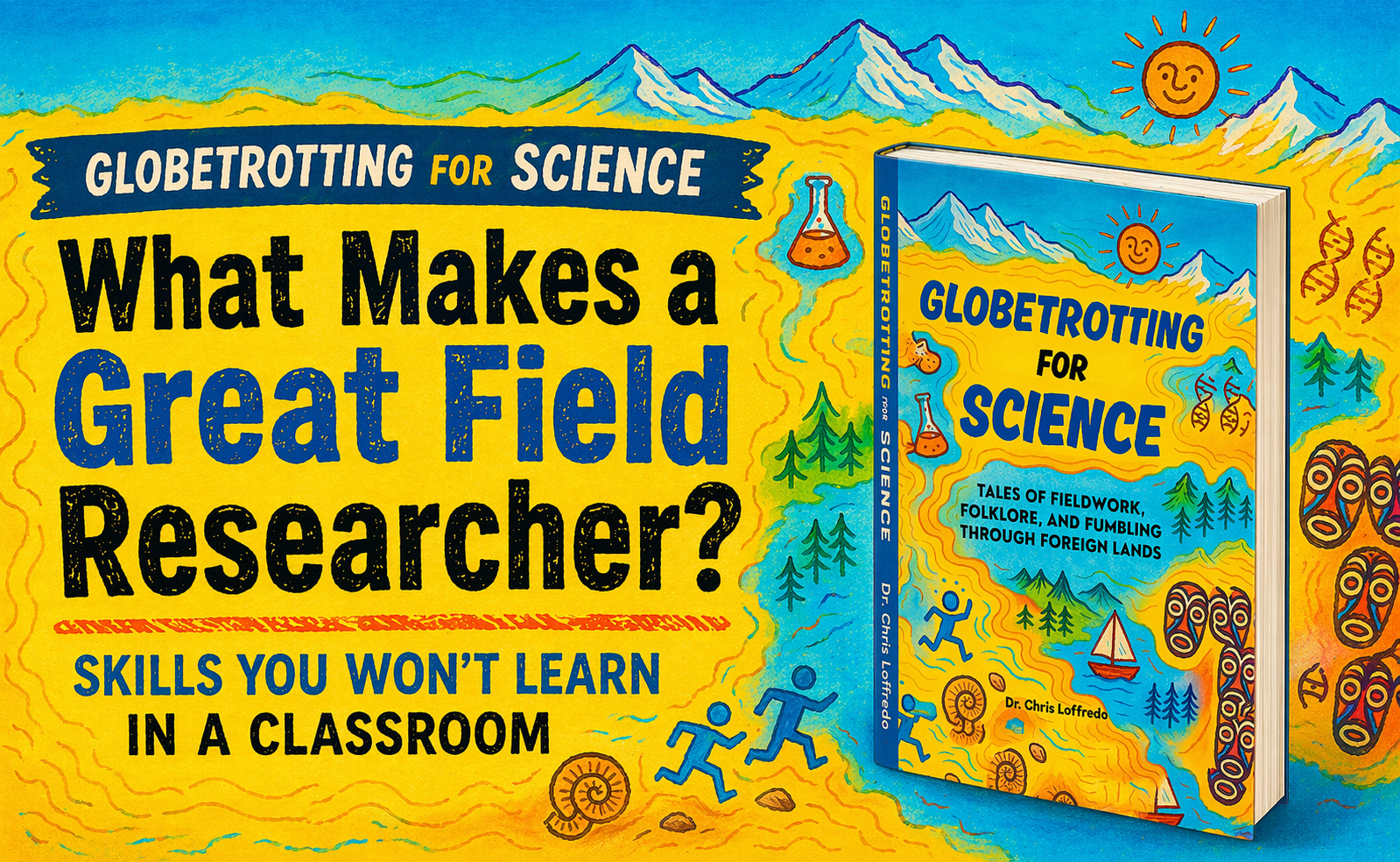
Introduction: Beyond Academic Knowledge
Classrooms provide the foundation for scientific understanding: theory, methodology, and technical skills. Yet, no amount of academic training can fully prepare a researcher for the realities of fieldwork. Out in the field, conditions are unpredictable, problems emerge without warning, and success often depends on abilities that extend far beyond textbooks.
A great field researcher combines knowledge with qualities that cannot be graded on a test. These include adaptability, emotional intelligence, cultural awareness, and the wisdom that comes from hands-on experience. While laboratory skills are important, the tools required for fieldwork involve navigating human dynamics, environmental unpredictability, and unexpected challenges.
Visit: https://christopherloffredo.com/
Adaptability and Problem-Solving
Field research is inherently unpredictable. Weather can disrupt schedules, equipment can fail, and access to research sites can be unexpectedly limited. In these situations, adaptability is not just useful, but it is essential.
A successful field researcher must assess challenges quickly and devise practical solutions on the fly. This might mean improvising new methods to collect samples, modifying study protocols in response to environmental conditions, or finding alternate routes to remote locations. Flexibility allows researchers to continue their work despite setbacks, turning potential failures into opportunities for learning.
Problem-solving in the field also requires creativity. Unlike controlled laboratory experiments, field conditions are messy, complex, and often uncontrollable. Researchers must think critically, make decisions with incomplete information, and remain calm under pressure. Over time, this skill becomes second nature, forming the backbone of effective fieldwork.
Communication Across Cultures
Fieldwork rarely occurs in isolation. It often requires collaboration with local communities, colleagues from diverse backgrounds, and government or institutional authorities. Successful researchers understand that technical expertise alone is insufficient; communication is equally important.
Being able to convey complex concepts clearly and respectfully is critical. Language barriers, differing cultural norms, and varying expectations can all complicate interactions. Researchers who are sensitive to these differences and who take the time to listen and adapt their communication style foster trust and cooperation.
Cross-cultural communication also extends to teamwork. A field team may include people with different levels of experience, training, and perspectives. Navigating these dynamics effectively requires patience, empathy, and an understanding of group dynamics, ensuring that research objectives are met without conflict or misunderstanding.
Amazon: Globetrotting for Science: Tales of Fieldwork, Folklore, and Fumbling through Foreign Lands
Emotional Intelligence in the Field
Fieldwork is not only intellectually demanding, but it is also emotionally challenging. Isolation, physical exertion, and exposure to unpredictable conditions can create stress and fatigue. Great field researchers cultivate emotional intelligence, the ability to understand and manage their own emotions while responding appropriately to others.
Self-awareness allows researchers to recognize when stress may be affecting decision-making or interpersonal interactions. Self-regulation helps them maintain composure in high-pressure situations, such as coordinating logistics under tight timelines or dealing with equipment failures.
Equally important is social awareness. Recognizing the emotions and needs of colleagues and local partners helps maintain positive working relationships. Researchers who are empathetic and emotionally attuned can prevent conflicts, foster collaboration, and create a supportive environment in challenging conditions.
Learning from Experience
Perhaps the most important skill a field researcher develops is the ability to learn from experience. Classroom instruction can teach methodology, but the lessons gained in the field are often subtler and far more impactful.
Mistakes, whether misidentifying species, miscalculating data collection schedules, or miscommunicating with team members, become growth opportunities. Each challenge encountered and overcome adds to a researcher’s skill set, making them more effective in future projects.
Long-term experience also teaches intuition, the ability to anticipate problems before they arise, recognize patterns in complex systems, and make decisions under uncertainty. This intuitive knowledge, built through repeated exposure and reflection, cannot be replicated in a lab. It becomes a hallmark of an experienced, reliable field researcher.
Moreover, the field provides exposure to real-world ethical considerations. Researchers must navigate consent, collaboration, and the responsible use of resources. These lessons reinforce that scientific work is inseparable from human and environmental contexts, shaping not only competence but also character.
Conclusion: The Real Toolkit for Success
Being a great field researcher requires more than academic knowledge or technical skill. It demands adaptability, creativity, cross-cultural communication, emotional intelligence, and the wisdom gained through hands-on experience. These skills are cultivated not in classrooms, but in the unpredictable, challenging, and richly rewarding environments where research takes place.
The best field researchers are those who can navigate uncertainty, collaborate effectively, and respond to challenges with both skill and empathy. They understand that success in the field is measured not only by data collected but also by the relationships built, problems solved, and lessons learned along the way.
Ultimately, the real toolkit for fieldwork is human. It combines knowledge, character, and experience into a set of capabilities that enable researchers to thrive anywhere from dense forests and remote deserts to bustling cities and research stations around the world. Travel and engagement in the field transform these capabilities from potential into mastery, shaping scientists into not only experts in their disciplines but also versatile, resilient, and thoughtful global researchers.